


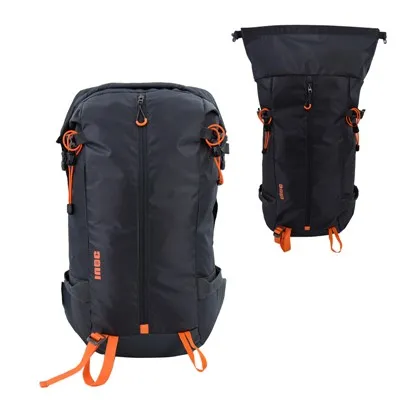
China Professional Skiing Backpack Manufacturer is a distinguished leader in crafting premium skiing backpacks tailored for snow sports enthusiasts worldwide. Renowned for their exceptional quality and innovative design, each skiing backpack embodies durability, functionality, and style. These backpacks are expertly engineered to meet the unique demands of skiing excursions, featuring specialized compartments, ergonomic designs, and weather-resistant materials to ensure optimal performance on the slopes. From backcountry adventures to resort skiing, these backpacks provide convenient storage solutions for skiing essentials while offering comfort and reliability in challenging alpine environments. Seamlessly blending practicality with aesthetics, our products are the perfect companion for your skiing escapades. Choose excellence, choose innovation—choose China Professional Skiing Backpack Manufacturer for your next skiing adventure.
Why choose us?
Specialized Skiing Features
Our skiing backpacks are equipped with specialized features tailored for snow sports, including dedicated compartments for ski gear, helmet attachments, and ski pole holders, ensuring convenient and secure storage options for all your skiing essentials.
Comfort and Mobility
Designed for comfort and mobility on the slopes, our skiing backpacks offer padded straps, adjustable waist belts, and ergonomic designs that allow for ease of movement and a snug fit, enhancing your skiing experience.
Weather Resistance
Constructed from weather-resistant materials and featuring snow-proof zippers, our skiing backpacks are built to withstand harsh winter conditions, keeping your gear dry and protected during snowy adventures.
Versatility and Performance
Whether you're skiing in the backcountry or at a resort, our skiing backpacks are versatile companions that excel in performance, offering functionality, durability, and style to enhance your skiing trips and ensure you have everything you need within reach.
-
![Ski Boot Bag Backpack]() Add to Inquiry
Add to Inquiry -
![High-quality Skiing Backpack]() Add to Inquiry
Add to Inquiry -
![High-performance Skiing Backpack]()
High-performance Skiing Backpack
Add to Inquiry -
![22L Ski Backpack]() Add to Inquiry
Add to Inquiry -
![Multifunctional Skiing Backpack]()
Multifunctional Skiing Backpack
Add to Inquiry -
![Premium Skiing Backpack]() Add to Inquiry
Add to Inquiry


What is Skiing Backpack
A skiing backpack is a specialized backpack designed for carrying gear and supplies when engaging in skiing activities. These backpacks are typically equipped with features that cater to the needs of skiers, such as compartments for storing avalanche safety equipment, hydration systems, goggles, and other essentials.
Benefits of Skiing Backpack
Gear Organization
Skiing backpacks typically come with multiple compartments and pockets, allowing skiers to easily organize and access their gear, such as avalanche safety equipment, extra clothing layers, snacks, water, and other essentials.
Weather Protection
Many skiing backpacks are made from durable, water-resistant materials that help protect gear from snow, moisture, and cold temperatures, ensuring that your belongings stay dry and secure.
Hydration system
Many skiing backpacks are compatible with hydration systems, enabling skiers to stay hydrated on the go without having to carry a separate water bottle. This is especially important during physically demanding activities like skiing.
Versatility
Skiing backpacks are not just limited to skiing activities. They can also be used for hiking, snowboarding, mountaineering, and other outdoor adventures, making them versatile and multi-functional.
Comfort
Well-designed skiing backpacks come with padded shoulder straps, waist belts, and back panels for added comfort and support during long days on the mountain. Proper weight distribution can reduce fatigue and strain on the body.
Convenience
Skiing backpacks allow you to conveniently carry all your essential gear in one place while keeping your hands free. This includes items like extra layers, snacks, water, goggles, gloves, and other necessities.
Material of Skiing Backpack

Ripstop Fabric
Ripstop fabrics are woven fabrics reinforced with thicker threads at regular intervals to prevent tears from spreading. This material is commonly used in skiing backpacks to enhance durability and prevent damage.

Polyester
Polyester is another commonly used material for skiing backpacks. It is known for its durability, quick-drying properties, and resistance to shrinking and stretching. Polyester backpacks are often more affordable than those made from other materials.

Nylon
Nylon is a popular material for skiing backpacks due to its durability, water resistance, and abrasion resistance. It is lightweight and offers good strength, making it suitable for outdoor activities.

Waterproof Coatings
Many skiing backpacks are treated with waterproof coatings or laminates to repel moisture and keep the contents of the backpack dry in snowy or wet conditions. Common waterproof coatings include polyurethane (PU) and polyvinyl chloride (PVC).
Packing a Skiing Backpack: Quick and Easy
Start with a Checklist
Before you begin packing, make a checklist of all the items you'll need for your skiing trip. This may include clothing layers, ski accessories, safety gear, snacks, water, and any other essentials.
Organize Your Gear
Lay out all your gear and categorize items based on their use. For example, group together clothing items, safety gear, snacks, and electronics.
Bottom Heavy
Place heavier items at the bottom of the backpack to keep the weight centered and close to your back. This helps maintain balance and stability while skiing.
Specialized Compartments
Utilize specialized compartments in the backpack for specific items such as avalanche safety gear, goggles, and hydration systems. This helps keep your gear organized and easily accessible.
Layering
Pack clothing layers in the order you might need them. Start with base layers at the bottom, followed by mid-layers, and keep outer layers or jackets on top for quick access.
Roll Clothes
To save space and prevent wrinkles, consider rolling your clothing items instead of folding them. This can also help you see what's packed more easily.
Snacks and Water
Keep snacks and water in easily accessible pockets or compartments so you can stay hydrated and fueled throughout the day.
Emergency Kit
Pack a small emergency kit with essentials like a first aid kit, whistle, emergency blanket, and any necessary medications. Keep this kit in a readily accessible pocket.
Secure Loose Items
Use straps or bungee cords to secure any loose items like helmets or extra layers on the outside of the backpack.
Final Check
Before hitting the slopes, do a final check to ensure you have all the necessary gear, your backpack is comfortable to wear, and the weight is distributed evenly.
How to Maintain Skiing Backpack
Cleaning
Regularly clean your backpack to remove dirt, sweat, and other debris that can accumulate on the fabric. Use a mild detergent, warm water, and a soft brush to gently scrub the backpack. Avoid using harsh chemicals or bleach.
Drying
After cleaning, allow your backpack to air dry thoroughly before storing it. Avoid exposing it to direct sunlight or using a dryer, as high heat can damage the fabric and components.
Zippers and Buckles
Check the zippers and buckles regularly for any signs of wear or damage. Lubricate the zippers with silicone spray to keep them running smoothly. Replace any damaged or broken zippers or buckles promptly.
Avoid Overloading
While it's tempting to pack everything you might need, avoid overloading your backpack beyond its recommended capacity. This can strain the seams, zippers, and straps, leading to premature wear and tear.
Hydration System
If your backpack has a hydration system, clean the reservoir and tubing regularly to prevent mold and bacteria growth. Use specialized cleaning kits for hydration systems.
How to Choose a Suitable Skiing Backpack
Determine the capacity you need based on the duration of your trips and the amount of gear you typically carry. Larger capacities are suitable for longer trips or backcountry skiing, while smaller capacities are ideal for day trips or resort skiing.
Consider the type of skiing you do most frequently. If you primarily ski in resorts, a different backpack might be suitable compared to one needed for backcountry skiing or ski touring.
Research reputable outdoor gear brands known for their quality backpacks. Read reviews from other skiers to get insights into the performance and durability of the backpack you're considering.
If possible, try on different backpacks with weights in them to see how they feel on your back. This will help you assess comfort and fit before making a purchase.
Set a budget for your skiing backpack and look for options that offer the features you need within your price range. Remember that investing in a quality backpack can pay off in the long run.
Certifications


Our Factory
Our factory occupies 20,000 square meters and operates 12 production lines with over 200 experienced workers and staff. Our monthly output ranges from 120,000 to 150,000 pieces, with an annual output value close to $12 million. Our daily operations are guided by Total Quality Management (TQM) principles, and we have stringent inspection processes in place from incoming materials to finished products. Our experienced sourcing and sales teams, along with perfect management and quality control systems, ensure the most efficient production and competitive prices for our customers. We have obtained certifications including BSCI, GRS, Disney, and ISO 9001. In recent years, we have focused on using eco-friendly recycled materials and have achieved significant success in this area.


FAQ
We're professional skiing backpack manufacturers and suppliers in China, specialized in providing high quality custom service. We warmly welcome you to wholesale high-end skiing backpack made in China here from our factory.
22l ski backpack, premium skiing backpack, skiing backpack