


China Professional First-aid Bag Manufacturer specializes in crafting high-quality, reliable, and innovative first-aid bags for diverse medical and emergency needs. With a commitment to safety and excellence, we produce products that meet international standards and exceed customer expectations. Equipped with advanced technologies and a skilled workforce, our state-of-the-art facility creates durable and practical first-aid bags for healthcare, outdoor activities, and workplaces. Offering a variety of sizes and styles, our products cater to personal and professional requirements. Prioritizing quality control, we ensure each bag meets stringent standards, emphasizing customer satisfaction and safety. Choose China Professional First-aid Bag Manufacturer for superior quality and expertise in essential medical bags for a range of applications.
Why choose us?
Exceptional Quality
Our first-aid bags are crafted with top-tier materials and undergo rigorous quality control measures, ensuring durability and reliability in emergency situations.
Versatile Design
With a range of sizes and styles available, our first-aid bags cater to various needs, from personal use to professional settings, offering versatility and adaptability.
Innovative Features
Our bags incorporate innovative design elements, such as specialized compartments, easy-access organization, and ergonomic carrying options, enhancing usability and efficiency during emergencies.
Customer-Centric Approach
We prioritize customer satisfaction by providing exceptional products that not only meet but exceed expectations, backed by responsive customer service and a commitment to safety and excellence.
-
![Molle First Aid Pouch]() Add to Inquiry
Add to Inquiry -
![Portable Medical Storage Bag]() Add to Inquiry
Add to Inquiry -
![Premium First Aid Backpack]() Add to Inquiry
Add to Inquiry -
![Professional Emergency Backpack]()
Professional Emergency Backpack
Add to Inquiry -
![Large Capacity First Aid Bag]() Add to Inquiry
Add to Inquiry -
![Emergency Medical Bag]() Add to Inquiry
Add to Inquiry -
![Portable First-aid Bag]() Add to Inquiry
Add to Inquiry -
![Versatile First-aid Bag]() Add to Inquiry
Add to Inquiry -
![Premium Quality First-aid Bag]() Add to Inquiry
Add to Inquiry


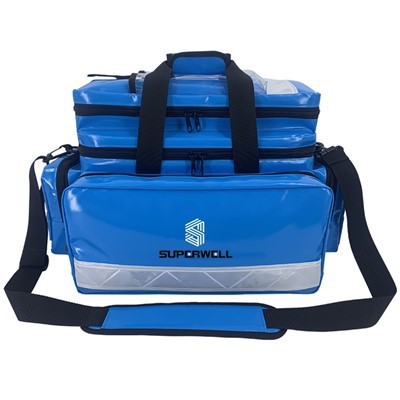
What is First-aid Bag
A first-aid bag is a portable container or kit designed to hold essential medical supplies and equipment for providing immediate medical assistance in emergencies or first-aid situations. These bags are often used in homes, workplaces, schools, vehicles, outdoor activities, and other settings where quick access to medical supplies is necessary.
Benefits of First-aid Bag
Immediate Response
Having a first-aid bag enables quick access to essential medical supplies, allowing for immediate response to injuries or medical emergencies.
Injury Prevention
By having necessary supplies readily available, a first-aid bag can help prevent minor injuries from escalating into more serious conditions.
Versatility
First-aid bags are versatile and can be used in various settings such as homes, workplaces, schools, outdoor activities, and during travel.
Mobility
The portable nature of a first-aid bag allows for easy mobility during outdoor activities, sports events, camping trips, or any situation where medical emergencies may arise.
Supports Disaster Preparedness
In natural disasters or emergencies where access to medical facilities may be limited, a first-aid bag can be a crucial resource for addressing immediate medical needs.
Training Aid
First-aid bags can also serve as a training aid for individuals learning basic first-aid techniques and procedures.
Type of First-aid Bag


Travel First-Aid Kit
Travel first-aid kits are designed for on-the-go use and may include items like motion sickness tablets, sunscreen, insect repellent, and medications for common travel ailments. They are convenient for vacations, camping trips, or outdoor activities.
Home First-Aid Kit
Home first-aid kits are more comprehensive than basic kits and contain a wider range of supplies for treating injuries at home. They may include items like cold packs, scissors, tweezers, and a first-aid manual.
Sports First-Aid Kit
Sports first-aid kits are tailored to treat injuries commonly encountered during sports activities. They may contain items like instant cold packs, athletic tape, blister pads, and compression wraps.
Workplace First-Aid Kit
Workplace first-aid kits are designed to meet the specific needs of different work environments and industries. They may include supplies for treating burns, eye injuries, and other workplace-related injuries.
Vehicle First-Aid Kit
Vehicle first-aid kits are compact and designed to be stored in cars, trucks, RVs, or boats. They typically include supplies for treating minor injuries and emergencies that may occur while on the road.
Application of First-aid Bag
When traveling, first-aid bags are essential for addressing common travel-related health issues like motion sickness, sunburns, insect bites, or minor injuries.
In households, first-aid bags are used to treat minor injuries such as cuts, burns, bruises, and sprains that may occur during everyday activities.
Sports teams, coaches, and athletes often carry first-aid bags to treat injuries like strains, fractures, and cuts that may occur during games or practices.
First-aid bags are used in workplaces to provide immediate medical care for employees who sustain injuries or illnesses on the job. They help address minor injuries and stabilize individuals until further medical assistance arrives.
First-aid bags stored in vehicles are crucial for addressing injuries sustained in car accidents or emergencies on the road. They can help stabilize individuals until emergency services arrive.
Regular Inspection:
Check the contents of the first-aid bag periodically to ensure that all items are in good condition and not expired. Remove and replace any expired or damaged supplies.
Labeling:
Label individual compartments or pockets within the first-aid bag to help identify specific items quickly. Clear labeling can save time during emergencies and ensure that supplies are used correctly.
Cleanliness:
Keep the first-aid bag clean and free of dirt, dust, or debris. If the bag is washable, follow the manufacturer's instructions for cleaning. Wipe down the bag periodically to maintain hygiene.
Protection from Moisture:
Store the first-aid bag in a cool, dry place to prevent moisture damage to supplies. Consider using waterproof or water-resistant bags for added protection in humid or wet environments.
Review and Replenish:
Review the contents of the first-aid bag periodically to assess whether any additional or specialized supplies are needed based on changes in circumstances or activities.
Preparing Your First-aid Bag for Washing
Remove All Contents: Start by emptying the first-aid bag completely. Remove all supplies, including bandages, medications, ointments, and any other items stored inside.
Clean the Bag Exterior: Wipe down the exterior of the first-aid bag with a damp cloth to remove any dirt, dust, or stains. Pay special attention to any areas that are heavily soiled.
Inspect the Interior: Check the interior of the bag for spills, stains, or residue from leaked items. Remove any debris or foreign objects that may have accumulated inside.
Wash According to Instructions: Review the manufacturer's instructions for washing the first-aid bag. Some bags may be machine washable, while others may require hand washing. Follow the recommended washing method to prevent damage to the bag.
Use Mild Detergent: If washing by hand, use a mild detergent and lukewarm water to clean the bag. Avoid harsh chemicals or bleach, as they may damage the fabric or affect the bag's waterproofing properties.
Rinse Thoroughly: After washing, rinse the bag thoroughly to remove any soap residue. Ensure that all detergent is washed out to prevent skin irritation or damage to the bag.
Air Dry: Allow the first-aid bag to air dry completely before restocking it with supplies. Avoid using a dryer, as high heat may damage the bag or cause it to shrink.
Store in a Clean, Dry Place: Store the freshly washed and restocked first-aid bag in a clean, dry place away from moisture and direct sunlight. Ensure that it is easily accessible in case of emergencies.
How to Choose the Right First-aid Bag
Size and Capacity:
- Consider the size of the first-aid bag based on the number of people it will serve and the range of potential emergencies. Choose a bag that can comfortably hold all essential supplies without being too bulky or cumbersome.
Visibility and Identification:
- Select a first-aid bag with bright colors or reflective strips for increased visibility, especially in low-light conditions. Ensure that the bag has clear labels or markings to indicate that it contains first-aid supplies.
Customization and Personalization:
- Consider your specific needs and customize the first-aid bag accordingly. Include supplies tailored to your activities, environment, or medical conditions to ensure that you are prepared for relevant emergencies.
Budget and Value:
- Determine your budget and look for a first-aid bag that offers good value for money based on its features, quality, and included supplies. Consider investing in a high-quality bag that will last longer and better protect your supplies.
Reviews and Recommendations:
- Read reviews from other users or seek recommendations from healthcare professionals or emergency responders to help you choose a reliable and effective first-aid bag.
Certifications


Our Factory
Our factory spans 20,000 square meters and operates with 12 production lines, employing over 200 experienced workers and staff. Our monthly output ranges from 120,000 to 150,000 pieces, with an annual output value close to $12 million. Our daily operations adhere to the Total Quality Management (TQM) principle, and we enforce strict inspection processes from incoming materials to finished products. Our seasoned sourcing and sales teams, coupled with effective management and quality control, ensure efficient production and competitive pricing for our clients. We have obtained certifications from BSCI, GRS, Disney, and ISO 9001. In recent years, we have dedicated ourselves to using environmentally friendly recycled materials, achieving significant success in this endeavor.


FAQ
We're professional first-aid bag manufacturers and suppliers in China, specialized in providing high quality custom service. We warmly welcome you to wholesale high-end first-aid bag made in China here from our factory.
versatile first aid bag, first aid bag