


China Professional Hydration Backpack Manufacturer leads the industry in creating top-of-the-line hydration backpacks for outdoor enthusiasts worldwide. Renowned for their superior quality and innovative design, each hydration backpack embodies functionality, durability, and style. These backpacks are designed to keep you hydrated on the go, featuring integrated water reservoirs, ergonomic designs, and high-performance materials. From hiking trails to cycling routes, these hydration backpacks are meticulously engineered to provide convenient hydration solutions for active individuals. Combining practicality and aesthetics seamlessly, products from China Professional Hydration Backpack Manufacturer ensure that you stay refreshed and energized during your outdoor pursuits. Choose innovation, choose reliability—choose us for your next adventure.
Why choose us?
Innovative Hydration System
Our hydration backpacks feature cutting-edge hydration systems with integrated water reservoirs and convenient drinking tubes, ensuring easy access to water while on the move, keeping you hydrated during your outdoor adventures.
Comfort and Functionality
Designed for comfort and functionality, our hydration backpacks come with adjustable straps, breathable materials, and ergonomic designs to provide a comfortable fit and ease of use during extended outdoor activities.
Durable and Reliable
Crafted from high-quality, durable materials, our hydration backpacks are built to withstand rugged outdoor conditions, ensuring longevity and reliability for your hydration needs in various environments.
Versatile Outdoor Companion
Whether you're hiking, cycling, running, or engaging in other outdoor activities, our hydration backpacks serve as versatile companions, offering not just hydration solutions but also storage space and organizational features to enhance your outdoor experience.
-
![Lightweight Hydration Backpack]()
Lightweight Hydration Backpack
Add to Inquiry -
![Hydration Backpack For Cycling]()
Hydration Backpack For Cycling
Add to Inquiry -
![Running Hydration Pack]() Add to Inquiry
Add to Inquiry -
![Best Hydration Backpack]() Add to Inquiry
Add to Inquiry -
![Versatile Hydration Pack]() Add to Inquiry
Add to Inquiry -
![High Quality Hydration Backpack]()
High Quality Hydration Backpack
Add to Inquiry -
![Durable Hydration Pack]() Add to Inquiry
Add to Inquiry -
![Outdoor Hydration Backpack]() Add to Inquiry
Add to Inquiry -
![Innovative Hydration Backpack]() Add to Inquiry
Add to Inquiry


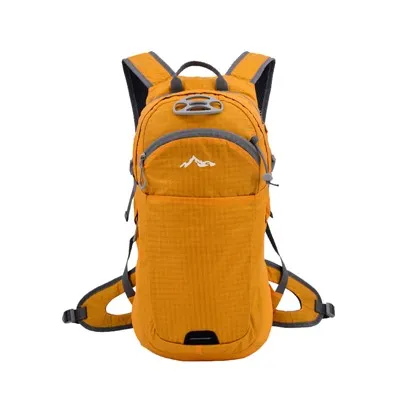


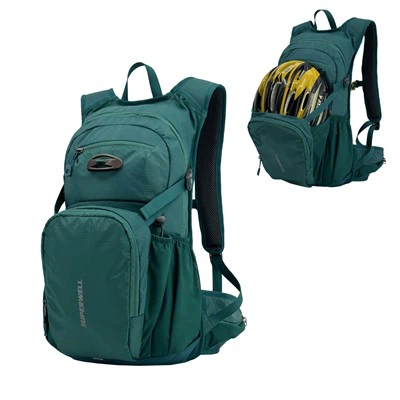

What is Hydration Backpack
A hydration backpack is simply a backpack that comes with a hydration built-in system. This hydration system consists of a water reservoir, which is known as a “bladder”, that’s made of plastic or rubber. Once the bladder is filled with water, you can use the hose to drink water without having to use your hands or stop to get a water bottle out.
Benefits Of Hydration Backpack
Convenience On The Move
A hydration backpack allows you to carry a significant amount of water without the need for handheld bottles or frequent pit stops. This convenience is especially beneficial during longer runs or when tackling challenging terrains where water sources may be scarce. With a hydration backpack, you can focus on your stride and pace without the distraction of constantly reaching for a water bottle.
Optimal Hydration
Proper hydration is crucial for maintaining energy levels and preventing dehydration during runs. Hydration backpacks typically come with a reservoir (bladder) that can hold a substantial amount of water. Most bladders have a convenient drinking tube that you can sip from while running, ensuring a steady intake of fluids without breaking your rhythm.
Hands-free Running
Running with a hydration backpack offers a hands-free experience, allowing you to maintain a natural arm swing and stride. This can lead to better running form and reduced fatigue in your upper body, ultimately contributing to a more comfortable and efficient run.
Storage Space For Essentials
Many hydration backpacks come equipped with additional storage compartments. This feature allows you to carry essentials like energy gels, snacks, your phone, keys, and even a light jacket. Having everything you need within arm’s reach makes your running experience more organized and hassle-free.
Long-distance And Trail Running
For runners who venture into long-distance races or trail running, a hydration backpack is a game-changer. It ensures you have access to hydration throughout the entire duration of your run, regardless of where you are. Trail runners especially benefit from the versatility and comfort of a hydration backpack when tackling rugged and remote paths.
Types of Hydration Backpack




Reservoir Hydration Packs
Reservoir, or bladder, hydration packs are the most common type. They feature a large, flexible water container that sits in a compartment in the backpack. A drinking tube runs from the reservoir to the outside of the pack, allowing the user to drink without having to remove the pack or the reservoir.
These packs are popular for their large water capacity and the convenience of the hands-free drinking system. They’re particularly useful for those in the manufacturing and distribution sector where workers often have their hands full but still need to stay hydrated.
Bottle-based Hydration Packs
Bottle-based hydration packs feature one or more specially designed compartments for holding water bottles. The bottles are usually angled in a way that makes it easy to reach back and grab them without having to remove the pack.
This type of hydration pack is a favorite among healthcare professionals who might prefer the cleanliness and familiarity of water bottles. The bottles can be easily cleaned, refilled, or replaced throughout the day.
Vest-style Hydration Packs
Vest-style hydration packs are designed to be worn close to the body, often featuring straps that go over the shoulders and around the chest or waist. They typically have multiple small compartments for water bottles, as well as pockets for other essentials.
These packs are favored in the education and building services sectors where mobility is key. The close fit reduces bouncing and shifting, making them comfortable to wear even while moving around a lot. They also often have reflective elements, adding an element of safety for those working in low-light conditions.
Once you have your hydration backpack, it’s time to figure out how to use it. Now, using a hydration backpack is not at all complicated, which is why they’re so great.
To use a hydration backpack, the first thing you need to do is learn how to detach the bladder. Some backpacks will require you to unscrew the bladder, while others have a clip to unlock.
Whatever the case may be, get comfortable with it. Then, take the bladder and fill it with water and close it. Do check the instructions on how to fill up the bladder properly so you don’t make a mess!
Now that you have your full bladder, put it back on the backpack, and close the hydration pack. Put the hydration backpack on, and now it’s time to test the hose. Put the tube in your mouth, bite down, and suck as if you were drinking from a straw.
Once you know everything’s working perfectly, clip the hose to the backpack strap on your chest so you can take it and drink water whenever you need it.
When you’re done with your outdoor activity, you need to make sure to clean the water bladder. Every time you use your hydration backpack you want to make sure to clean the bladder and do it well.
Some models will require you to brush the inside of the bladder, which is extremely useful when you decide to drink something different than water. But if that’s not the case, simply fill the water bladder with warm water, give it a good shake, and then empty it.
If you’ve poured another type of drink, you can mix hot water with an antibacterial powder. Pour the solution into the bladder, shake it, and rinse as many times as necessary to make sure it’s clean.
Once you’ve managed to clean your water bladder after using the hydration backpack, make sure you hang it upside down for several hours so it’s completely drained out. Of course, you should always consult the instructions, not just for cleaning, but also for assembly and use, just to make sure you do things right.
Never use boiling water or things like bleach to clean your water bladder, that would ruin it!
You also want to make sure to clean the hose. Most hydration backpacks have a hose cleaning kit, but it’s not usually included with the backpack. If possible, we recommend you get the kit because it will make cleaning the hose easier.
If not, you can use an elongated brush along with some warm, soapy water to do the job. As always, consult the instructions to make sure you conserve the integrity of the hose. And that’s it! That’s how you clean and use a hydration backpack.
Brief History of Hydration Backpacks
Hydration packs have their origins in the sports and outdoor adventure industries. They were initially designed for cyclists, hikers, and runners who needed a hands-free way to drink water while engaged in their activities.
The first hydration pack was invented in the late 1980s by a cyclist who was looking for a more efficient way to stay hydrated during long-distance bike rides. He modified an IV bag and enclosed it in a tube sock, which he then placed in the back of his jersey. He attached a thin hose to the bag and secured it with a clothespin when not in use. This invention, although rudimentary, was the precursor to the modern hydration pack.
Over time, hydration packs have evolved and have been adapted for use in various industries. Today, they come in different styles and sizes, and are equipped with features that cater to the unique needs of different users. From a simple tool for outdoor enthusiasts, hydration packs have become an essential piece of equipment for workers in various sectors.
How to Maintain Hydration Backpack
Cleaning: The first step towards effective storage
The journey to proper storage begins with a thorough cleaning. After a thrilling adventure, it’s natural for dirt, sweat, and bacteria to accumulate in your hydration system. Here’s how i ensure mine remains pristine:
Rinse immediately: As soon as your adventure concludes, take a few moments to rinse out your hydration reservoir, tube, and bite valve with clean water. This helps prevent any leftover fluids from becoming a breeding ground for bacteria.
Use mild soap: Use a gentle soap or specialized cleaning solution for hydration systems. Avoid harsh chemicals that could damage the materials.
Scrub and rinse: Use a cleaning brush to scrub the interior of the reservoir, especially if it’s stained or has residue. Thoroughly rinse all components until no soap remains.
Sanitize the bite valve: Remove the bite valve and soak it in a mixture of water and baking soda for a deeper clean. Rinse it well afterward.
Air dry: Allow all components to air dry completely before reassembling. Hang them upside down to ensure any remaining water droplets can escape.
Ideal storage conditions for your hydration gear
With your gear sparkling clean, let’s discuss the optimal conditions for storage. Ensuring your hydration system remains mold-free and functional during its downtime requires a bit of consideration.
Dry before storing: Ensure every component is completely dry before packing your hydration gear. Moisture left inside the reservoir or tube can lead to mold growth and unpleasant odors.
Keep it open: Leave the reservoir’s cap and bite valve open during storage. This promotes air circulation and prevents moisture buildup.
Store in a cool, dry place: Choose a storage area that’s away from direct sunlight and extreme temperatures. Heat can deteriorate the materials, and sunlight might encourage mold growth.
Avoid compressing: Don’t store your hydration system in a compressed or folded state for extended periods. This can weaken the reservoir’s structure and affect its longevity.
Consider a storage bag: If you have the extra space, consider using a breathable storage bag to protect your hydration system from dust and pests.
Maintaining your hydration system during long breaks
Sometimes, life gets in the way, and your outdoor adventures take a hiatus. If you’re putting your gear into storage for an extended period, there are a few extra steps you can take to ensure its longevity.
Thorough inspection: Before storing the gear, give it a thorough inspection. Check for any signs of wear, such as cracks in the reservoir or damage to the tube.
Remove the reservoir: If possible, remove the reservoir from the backpack. This prevents prolonged pressure on the reservoir’s material, which could lead to weakening or deformation.
Loosen straps: If your hydration system is integrated into your backpack, loosen the straps that secure it. This reduces strain on the system’s connection points and prevents potential damage.
Use a Frame: Consider using a lightweight frame to maintain the shape of your hydration reservoir while it’s in storage. This prevents creasing and maintains the reservoir’s structural integrity.
How to Choose the Right Hydration Backpack
Pocket Placement
It may seem like anecdotal to think about, but nothing will ruin and adventure like having a hydration pack with a lack of pocketing or terrible pocket placement. Consider your scope of movement on your trip and try to go with a pack that compliments your level of engagement. When running, you should go with a vest style pack or similar style pack that promotes full mobility. Try to minimize inefficiencies wherever possible without compromising the overall usefulness of your desired pack. If you plan on doing more hiking than running for longer durations at a time, you may need more storage capacity for food and gear. Always consider the nature of your travels when selecting the right hydration pack.
Hydration Capacity
Your hydration needs will shift based upon the nature of your outdoor adventure. Selecting the hydration pack with the right size reservoir is also essential to being able to sustain enjoyable energy levels. Not having enough space for water defeats the purpose of being prepared and most likely wont be fun especially if you run out of water on a hike. The U.S. National Academies of Sciences, Engineering, and Medicine determined that an adequate daily fluid intake is about 15.5 cups (3.7 liters) of fluids a day for men. About 11.5 cups (2.7 liters) of fluids a day for women. So if you plan on being out for just a couple hours, a 2 liter hydration pack will work for most people. IF you plan on being out for half a day or longer, I would definitely think about increasing your water reservoir or, traveling to a place that you can refill water levels when needed. The amount of water you can bring with you on a trip is important to note when selecting the right hydration backpack.
Carrying Option
Hydration packs can carry liquid in a variety of styles and configurations. see here Special belt packs, bottles, water pouches and everything under the sun that is geared towards hydrating you on your travels can be considered a hydration pack. Every method of drinking water on the go has its advantages and disadvantages. Hydration pack bladders or reservoirs allow you to carry sufficient hydration near your body so it doesn't slosh around when in motion. Utilizing a bladder gives you quick and simple access to hydration on the go using an adaptable drink tube, so you can hydrate without breaking stride. When selecting the right pack, make sure you know which water carry configuration best fits your adventure.
Overall Fit
A comfortable, adjustable fit is the main thing to consider while selecting a hydration pack? It's like picking the right dance partner, if it doesn't move with you it won't work. Regardless of how great a pack is or how much you spend on it, you'll never wear it on the off chance that it doesn't fit as expected. even if your favorite pack comes in your size, many offer a flexible shoulder and sternum strap for easy adjustments on the fly for beginners and weekend warriors. More experienced adventurers are looking for the most efficient pack to compliment their trip, and take a more meticulous approach to landing the perfect hydration pack. Some purists need optimum mobility and the lightest pack possible. Taking all measures to cut weight with minimalism in mind. Whereas glampers and "gadget heads" need lots of storage capacity for cameras, walking poles, tent supplies, you name it.
Certifications


Our Factory
Our factory has 20,000ssquare meters, 12 production lines&over 200 experienced workers&staffsff, monthly output of 120,000-150,000pcs and annual output value is closed to $12 million. Our daily operation is under TQM principle and strict inspection processes are implemented from incoming materials to finished products. Our experienced sourcing&sales teams with perfect management and quality control to assure you the most efficient production and fairly competitive prices. We have gone through BSCI, GRS, Disney and ISO 90001. In recent years, we have been committed to friendly recycled materials and have achieved success.


FAQ
We're professional hydration backpack manufacturers and suppliers in China, specialized in providing high quality custom service. We warmly welcome you to wholesale high-end hydration backpack made in China here from our factory.
high quality hydration backpack, hydration backpack, outdoor hydration backpack